 5:48
n8n or Claude Code: compare the maintenance of one real workflow
Use Luke’s argument about manual node configuration, code-first work and MCP to assess one existing automation rather than assuming every workflow should move.
34 ways into the workflow. Pick a video to see what was tried, what to check and where to begin.
5:48Use Luke’s argument about manual node configuration, code-first work and MCP to assess one existing automation rather than assuming every workflow should move.
 13:49
Follow product data from Google Sheets through scene, image and video generation to Google Drive, inspecting the wait-for-completion step.
 18:49
Connect research, carousel writing, image generation and PDF rendering, then review the emailed package before posting.
 10:09
Use the February account of failed workflows to clarify execution, deterministic steps and the points that need human judgement.
 22:35
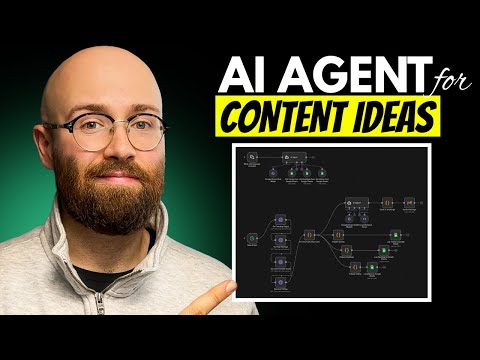
Collect trending records, preserve them in Sheets and use the same evidence for an email briefing and chat agent.
 16:21
Collect channel data in Sheets, test the cloud workflow and inspect the evidence behind an agent’s suggested topics.
 19:26
Connect video analysis, dynamic thumbnail rendering and a deliberate upload check before adding an RSS trigger.
 12:28
Follow a Google Sheets row through Templated design, ChatGPT 4.1 captions and Blotato delivery while keeping the selected account and content visible.
 14:54
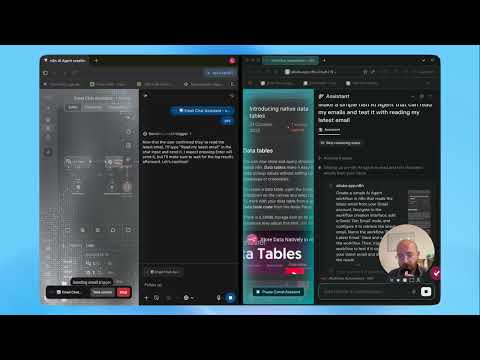
Compare the browsers on comments, an n8n email agent, technology research and a LinkedIn post, keeping task completion distinct from speed.
 20:57
Use the October review’s research, comment, workflow and grocery examples to inspect actions and outcomes separately.
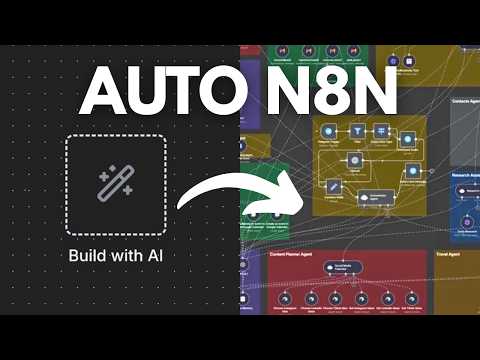 17:12
Inspect a generated workflow node by node, then test chapter output, email context and calendar behaviour separately.
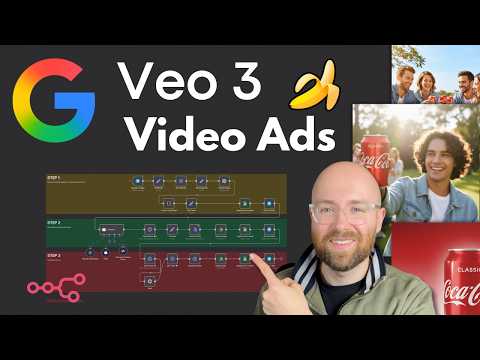 31:33
Connect the trigger, record and generation services, then inspect one complete product-ad run before scaling.
 20:53
Connect the source folder and editing API, then follow one video through generation, completion and the final file.
 22:36
Trace a video record from Airtable through upload to the intended social accounts, checking each delivery separately.
 20:10
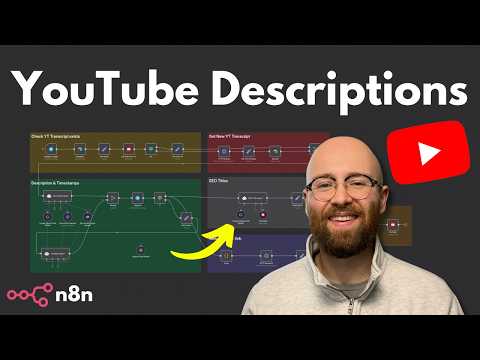
Extract the transcript, generate a draft and carry explicit feedback through to a checked metadata update.
 24:50
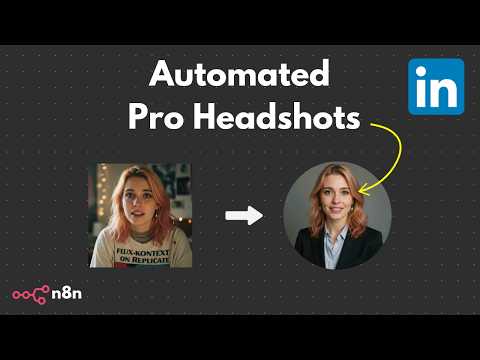
Trace a submitted photo through storage, generation, email delivery and cleanup, checking identity and data handling at each stage.
 15:51
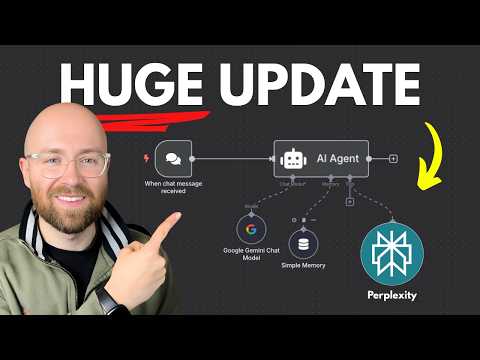
Connect Perplexity and Gemini 2.5 in n8n, map the actual chat input and inspect the research output’s references.
 25:25
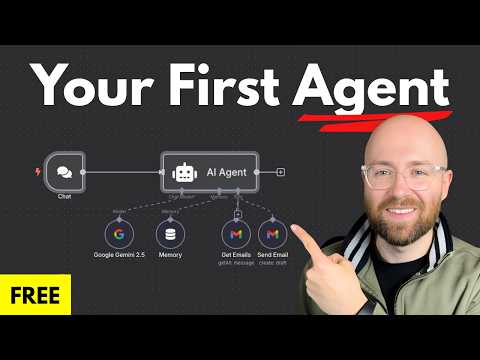
Connect a model and Gmail tools, then test reading, drafting and an explicitly approved send as separate behaviours.
 7:09
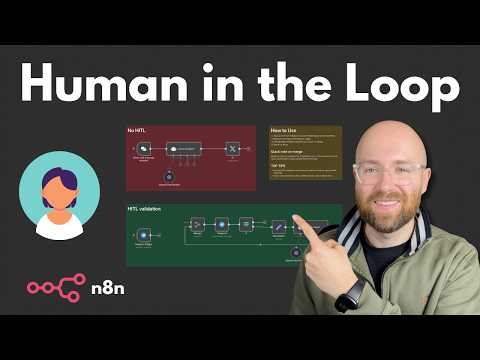
Send the complete draft to Telegram, route feedback back into the workflow and publish only the reviewed version.
 20:33
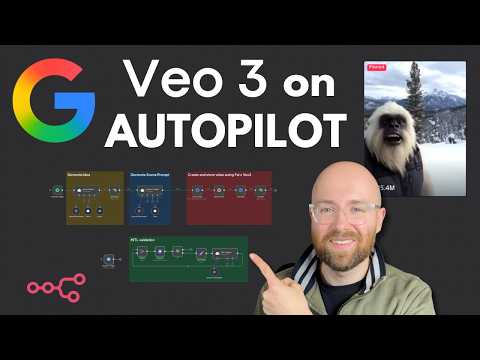
Follow Veo 3 generation through Fal, human review and Airtable records without confusing a completed clip with a publishable result.
 10:51
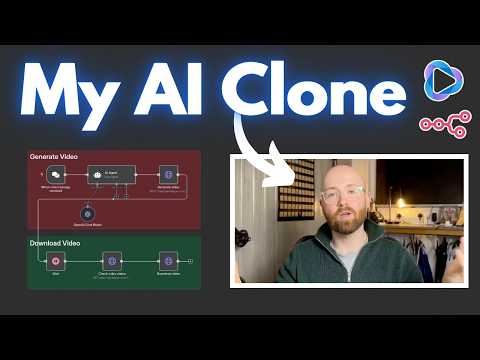
Keep the script, avatar and voice linked while testing video generation, status checks and the downloaded result.
 19:24
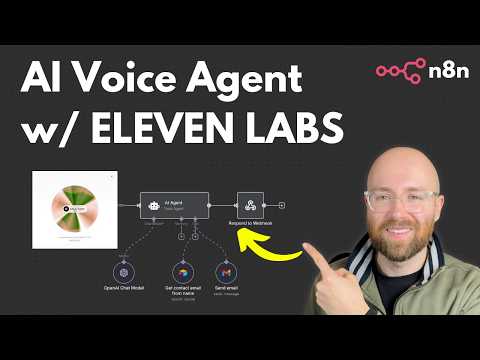
Connect the voice agent to a bounded n8n tool, checking recognised inputs, tool parameters and the spoken result.
 14:38
Follow the no-code-to-Python learning path through prompting, APIs, model concepts and one flagship project.
 50:32
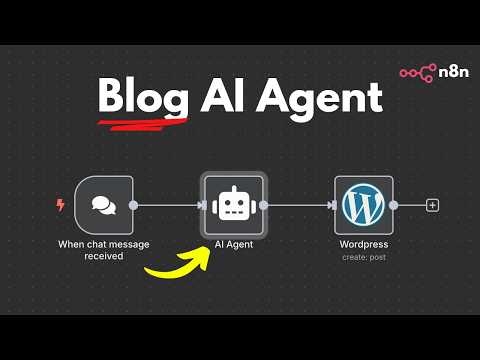
Trace the article from chatbot request through research, generation and WordPress delivery, keeping preferences separate from factual evidence.
 49:32
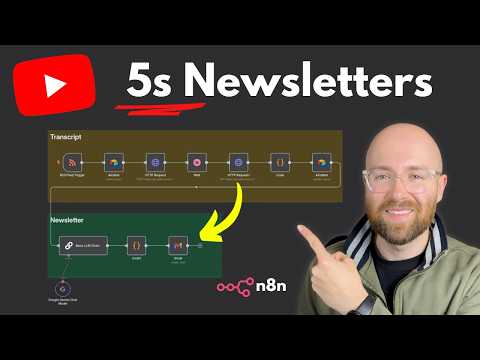
Use the limited source as an orientation for a video-to-newsletter workflow, then inspect source fidelity and a controlled email handoff.
 16:54
Follow the recorded VPS and domain setup, then test the actual workflow independently of the server dashboard.
 17:58
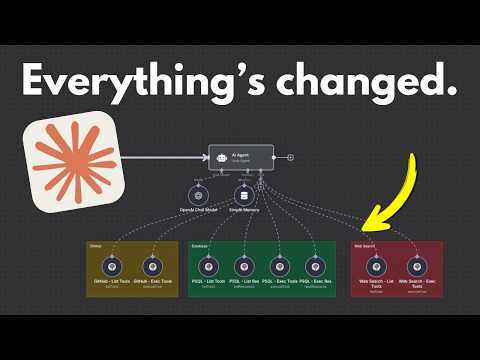
Distinguish MCP-triggered n8n workflows from community tool nodes, then inspect the supplied Claude Desktop configuration.
 26:06
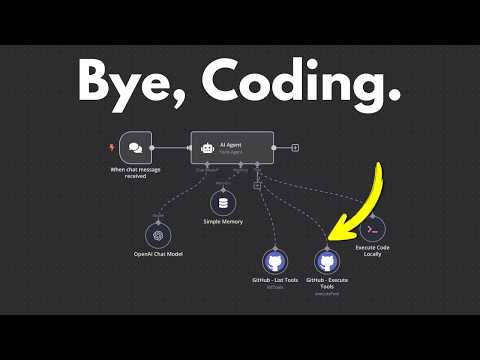
Follow repository creation, n8n tool configuration and the local execution step while keeping GitHub changes traceable to the requested task.
 25:00
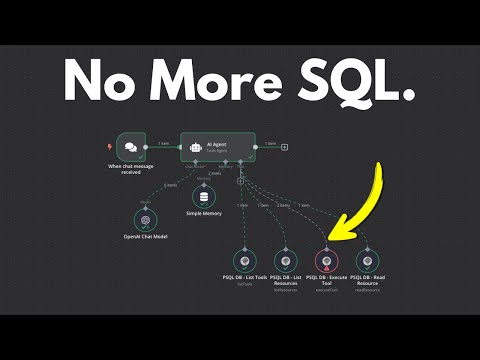
Follow provisioning, dummy data and MCP tools, then compare natural-language answers with results you can verify.
 27:11
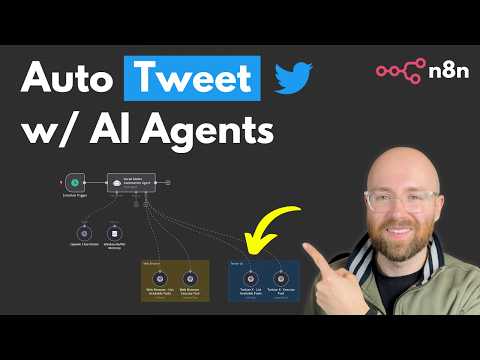
Trace search results through the agent’s draft and Twitter API action, checking the content and destination before publication.
 31:07
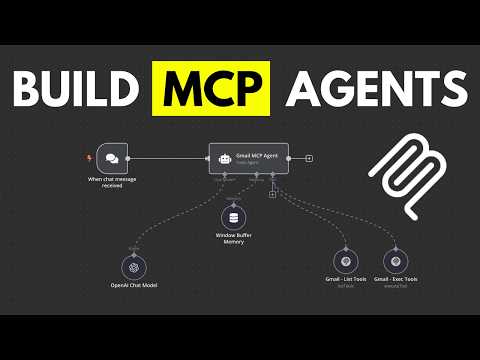
Follow MCP community-node setup, the agent workflow and Gmail authentication as distinct parts of the recorded build.
 47:53
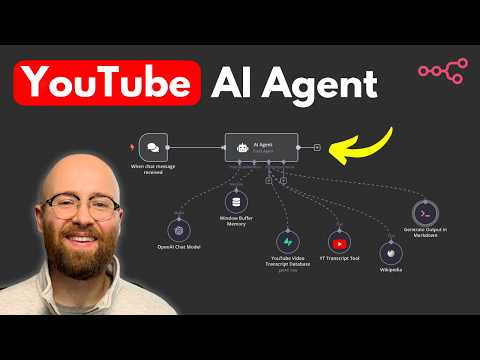
Connect transcription, stored source material and agent tools, then inspect answers and generated files against the actual video content.
 58:40
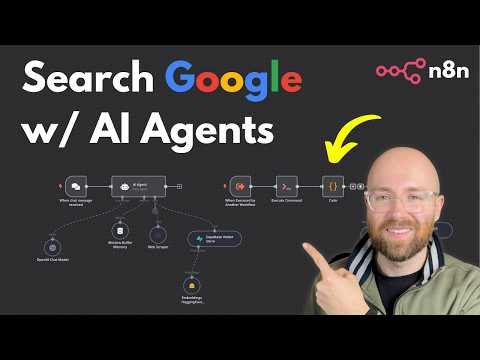
Separate live scraping, stored retrieval and the final answer so you can inspect the evidence at each stage.
 18:57
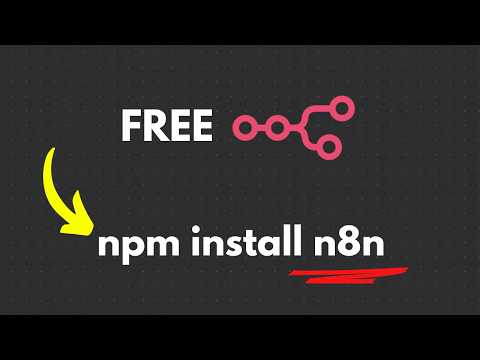
Follow the npm-based local setup, open the browser interface and separate workflow hosting from model costs and availability.